The nail treatment landscape
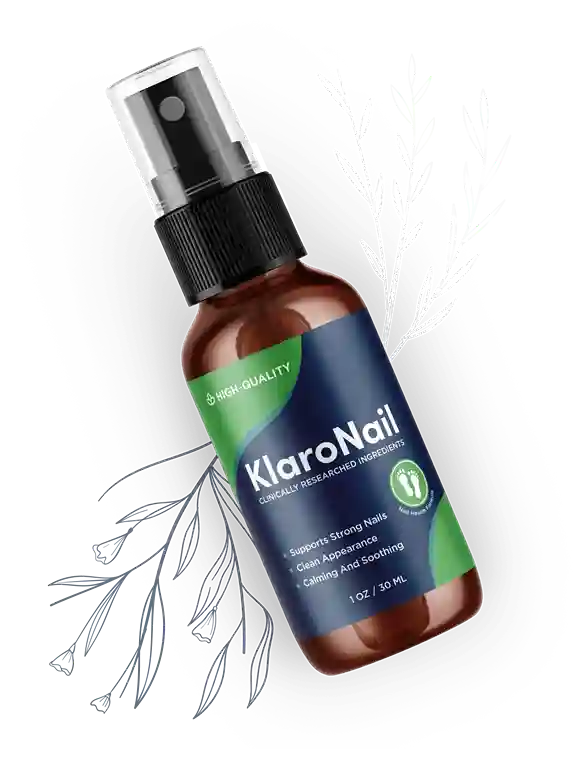
Nail fungus treatment options span a wide spectrum from pharmaceutical prescriptions to natural topical products, each with different mechanisms, evidence bases, convenience profiles, and risk considerations. Understanding where KlaroNail sits within this landscape helps in making an informed choice based on the severity of the condition and individual priorities.
The nail treatment market divides broadly into: pharmaceutical oral antifungals (most effective but with systemic side effect profiles), prescription topical antifungals (ciclopirox, efinaconazole), over-the-counter antifungal products (topical creams, sprays, and solutions with active ingredients like tolnaftate, miconazole, or clotrimazole), and natural topical alternatives (including Tea Tree Oil-based products like KlaroNail).
KlaroNail vs antifungal nail lacquers
Prescription antifungal nail lacquers such as ciclopirox (Penlac) and amorolfine provide the highest clinical cure rates among topical pharmaceutical options. They work by delivering antifungal compounds into the nail plate through a lacquer film that maintains sustained contact. Clinical trial data shows mycological cure rates of 29-36% for ciclopirox and up to 50% for amorolfine over 48 weeks. These are superior rates to what natural products including Tea Tree-based formulas achieve in clinical research.
The trade-offs: lacquers require prescription access (in most jurisdictions), regular filing of the nail, and 48+ weeks of treatment. They may cause nail discoloration, peeling, and skin irritation at the application site. KlaroNail’s natural oil formula is more practical for daily use without filing requirements and has a simpler application protocol — but should not be expected to match pharmaceutical lacquer cure rates for confirmed onychomycosis.
View the KlaroNail formula and current pricing on the official site.
〈 View KlaroNailKlaroNail vs OTC antifungal creams
Over-the-counter antifungal products (containing tolnaftate, miconazole, clotrimazole, or undecylenic acid) are the most widely available conventional options. Undecylenic acid-based products are particularly relevant as KlaroNail includes Undecylenic Acid as a primary active — and this compound has FDA monograph status for topical antifungal use for athlete’s foot and skin fungal conditions. Clinical evidence for topical OTC products for nail infections (as opposed to skin fungal infections) is more limited than for prescription options, largely because nail plate penetration is a significant barrier for most aqueous-based formulas.
KlaroNail’s oil-based formulation may offer a penetration advantage over water-based OTC creams, as lipophilic oil compounds are better positioned to penetrate the nail plate’s lipid structure than aqueous formulations.
KlaroNail vs prescription treatments
Oral pharmaceutical antifungals (terbinafine, itraconazole) are the most effective treatments for confirmed nail fungus, with mycological cure rates of 60-80% in published trials for terbinafine. They work systemically, reaching the nail through the bloodstream rather than penetrating through topical application. This systemic approach overcomes the penetration barrier that limits topical treatments. However, oral antifungals carry systemic side effect profiles: hepatotoxicity risk (requiring liver function monitoring), drug interactions, and gastrointestinal effects. They require prescription, medical monitoring, and 12-week treatment courses.
KlaroNail, as a natural topical spray, cannot and should not be compared to oral antifungals for confirmed moderate-to-severe onychomycosis. For severe nail infections, medical consultation and assessment for pharmaceutical treatment is appropriate. KlaroNail is positioned as a natural daily nail wellness product for those with mild concerns or those who prefer natural approaches.
Choosing the right approach
For mild or early-stage nail discolouration or texture changes: a consistent natural topical product like KlaroNail is a reasonable first choice, particularly given the spray convenience, 13-ingredient natural formula, and 60-day guarantee that reduces financial risk. Apply daily, consistently, for at least 60-90 days before assessing results. For persistent or moderate-to-severe nail changes that have not responded to natural products after 90 days of consistent use: consult a healthcare provider for proper diagnosis and assessment of pharmaceutical treatment options. Some nail discolouration has non-fungal causes (psoriasis, trauma, medication side effects) that won’t respond to antifungal treatment of any kind — professional diagnosis is always the most valuable first step for significant nail concerns.
Keep reading
More on the KlaroNail blog. Official site for pricing.